How to Flavor Your Food Like a Pro Chef
- Curated Lifestyle

- May 14
- 6 min read
Updated: Jun 9

You followed the recipe. Every single step. Every measurement. You even bought the fancy 40.00 ingredient you've never heard of and will never use again.
And it still tasted like something was missing. Great food is all about understanding flavor.
How to build it, layer it, and finish it the way professional chefs do.
In this post, you'll learn:
The five-flavor building blocks every pro chef uses
How to season like a chef — not just at the end
The finishing moves that change everything
How to fix a dish that tastes flat
The tools that make flavor building effortless
Let's get into it.
▪️Why Your Food Tastes Flat
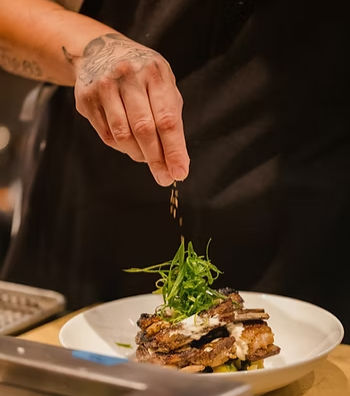
The gap between fine and extraordinary meals rarely comes down to the ingredients. It comes down to technique.
Specifically, the flavor-building technique that professional chefs use automatically, and home cooks were never taught.
Chefs don't just throw in all 5 seasonings in the pot. They build flavor at every single stage. Before the heat. During the heat. Right before the plate hits the table.
Each decision is a flavor decision. If you want to learn how to cook meat perfectly, click here
▪️The Five-Flavor Building Blocks Every Pro Chef Uses
Every dish is built on five elements. Get them in balance, and your food will taste like it came from a restaurant.
1. Salt
Salt amplifies every other flavor in the dish. It makes sweet taste sweeter, and savory tastes even more savory.
The number one reason restaurant food tastes better than yours? Salt. More of it. Added earlier. At multiple stages.
Season your protein before it hits the pan, not after
Salt your pasta water until it tastes like the actual sea
Add a pinch to sweet dishes. It makes them taste next level
Taste and adjust at every stage, not just when it's on the plate
2. Fat
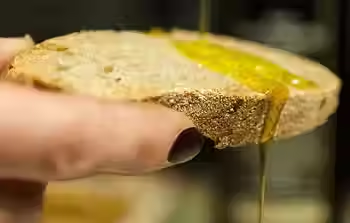
Fat carries flavor. It's the reason butter makes everything taste better. Why a drizzle of good olive oil at the end transforms a dish from good to--where has this been all my life?!
Butter basting in the final minutes of cooking is the steakhouse secret
Good olive oil as a finishing drizzle adds richness and depth
Toast your spices in fat to unlock their full flavor
3. Acid

The most underused flavor building block in home cooking and the one that makes the single biggest difference.
A squeeze of lemon, a splash of vinegar, a glug of wine added at the right moment brightens every flavor in a dish.
Squeeze lemon over finished dishes right before serving
Add a splash of wine or vinegar to pan sauces
When a dish tastes flat, reach for acid before reaching for more salt
4. Heat

Not just temperature — the TYPE of heat determines the flavor. High dry heat caramelizes and creates complexity.
Low moist heat builds depth and tenderness. Your oven and your stovetop are flavor instruments.
Roasting at high heat will create caramelization, giving natural sweetness and depth
Searing creates that gorgeous golden crust full of savory flavor
Toasting spices before using them unlocks entirely different flavor compounds
5. Umami
The fifth taste. She's so mysterious! That deep, savory, satisfying quality that makes food taste complex and keeps you going back for more, and more!
Meat has it naturally. Below are ways to achieve it, and the results will amaze you.
Parmesan rind simmered in soups and sauces
Miso paste stirred into dressings, marinades, and sauces
Soy sauce or tamari — a splash transforms almost anything
Tomato paste — cook it down in fat before adding liquid
Anchovies dissolved in olive oil will disappear completely, but the flavor won't
Sun-dried tomatoes are concentrated flavor bombs
▪️The Pro-Chef Flavor Techniques

Season in Layers — Not Just at the End▪️
This is the single most important habit that separates pro cooking from home cooking. Every time a new ingredient enters the pan, season it.
Every time the liquid reduces, taste and adjust. Every stage of cooking is a flavor-building opportunity.
Bloom Your Spices▪️
Dried spices sitting in a jar since 2019 are what most of us have in our pantries. They start losing flavor within 3-6 months!
Fresh-dried spices toasted in a dry pan or bloomed in hot oil for 60 seconds taste extraordinary. The best 60 seconds you'll spend that day!
Build Your Base▪️

Every great dish starts with aromatics — onion, garlic, and celery, cooked slowly in fat until soft and deeply fragrant.
This is the foundation every other flavor builds on. Rushing this step is the reason so many dishes taste weak.
Deglaze the Pan▪️
The caramelized bits stuck to your pan after searing are called Fond. That's pure concentrated flavor.
A splash of wine, broth, or even water added to it will incorporate flavor into your dish. This is the move that makes home cooking taste like restaurant cooking.
Every dish needs a finishing moment. A squeeze of lemon. A drizzle of good olive oil. A pinch of flaky sea salt. Fresh herbs. A crack of black pepper.
▪️How to Fix a Dish That Tastes Flat
You made something, and it tastes off. Before you call to order takeout, run through this checklist:
Tastes bland? Add salt. Add gradually and taste after each addition.
Tastes one-dimensional? It needs acid. Squeeze lemon or add a splash of vinegar.
Tastes thin? It needs fat. Add butter or a drizzle of olive oil.
Tastes too sharp? It needs something sweet. Add a pinch of sugar or a drizzle of honey.
Tastes like something is missing, and you can't figure out what? It needs umami. A splash of soy sauce, a spoonful of miso, or a pinch of parmesan.
▪️The Tools That Will Actually Change How To Flavor Your Food

The best cooks aren't just better at flavoring. They're better equipped. Here's what belongs in your kitchen:
As an Amazon Associate, I earn from qualifying purchases.
*Microplane Premium Zester- 48,192 reviews
America's Test Kitchen calls it one of the most essential tools in any kitchen. Fresh lemon zest, grated parmesan, ginger, and garlic turn into flavor clouds that dissolve into dishes. Find it here →https://amzn.to/3PKCkm9
*Amazon Basics Enameled Cast Iron Dutch Oven Pot with Lid, - 51,690 reviews
The pot for building the deepest, most complex flavors. Ideal for roasting, baking, sautéing, cooking, and more.
In nine beautiful colors. Enameled interior means no metallic taste and easy cleaning. Used in kitchens worldwide. Find it here →https://amzn.to/3R9s2fO
*Amazon best seller Pepper Mill -42,172 reviews
Pre-ground pepper loses its flavor oils within days. Freshly ground pepper is a completely different ingredient.
Stylish high-quality glass and adjustable coarseness. Find it here →https://amzn.to/4nrHUWV
*Maldon Flaky Sea Salt- 5,978 reviews
Gently smoked over oak to add a rich and sophisticated flavor. Fantastic with sweet and savory dishes. A pinch adds a burst of seasoning and a complexity that table salt cannot replicate.
An inexpensive luxury in your kitchen. Find it here →https://amzn.to/4wu7Mph
*Amazon's Choice Citrus Juicer
Fresh lemon and lime juice every time. Bottled citrus is flat. Find it here https://amzn.to/42xjDW3
▪️Frequently Asked Questions About Flavoring Food Like A Pro Chef:
Why does restaurant food always taste better than homemade?
More salt than you think, added at every stage. Butter is used as a finishing move. And acid — a squeeze of lemon right before serving that brightens every flavor on the plate.
What is the most important flavoring technique to learn first?
Season in layers. Stop adding everything at the end. Add seasoning at every stage of cooking. This single habit will change every dish you make.
What does it mean to balance flavors?
Every dish needs salt, fat, acid, and sometimes sweetness in the right proportions. When something tastes off, the fix is typically adjusting one of these four elements. Taste constantly. Adjust as you go.
How do I make my sauces taste more like restaurant sauces?
The browned bits left after cooking are called Fond. It gives all the vibes. Add white wine and reduce your sauce until it coats the back of a spoon. Turn off the heat and add cold butter right before serving.
What herbs do professional chefs use most?
Fresh thyme, rosemary, bay leaf, and garlic build flavor through cooking. Fresh parsley, basil, and chives finish dishes. Two different moments. Both essential.
▪️The Closing
You now know the five building blocks for getting amazing flavor. The layering techniques. The finishing moves. The fixes for when it tastes off.
You can go into your kitchen with confidence and flavor your food like a Pro Chef.
Tell me in the comments below:
Which flavor technique are you trying first? 👇
What dish are you about to completely transform?
xoxo,
Curated Lifestyle 💗

Thank. There is a lot of info. I will have to try some